
Most Common Types of Car Accidents
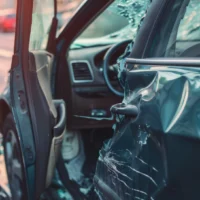
Car accidents can happen in countless ways, from a rear-end collision at a stoplight to a high-speed crash on a West Virginia highway. Although every accident is different, certain types of crashes occur more frequently than others. Understanding how common collisions happen can help drivers recognize dangerous situations and may also help people who have been injured understand what caused their accident.
When a crash is caused by another driver’s negligence, injured people have the ability to seek compensation for their medical expenses, lost wages, pain and suffering, and other losses. At Burke, Schultz, Harman & Burke, we represent people injured in car accidents in Martinsburg and throughout West Virginia.
Rear-End Collisions
Rear-end crashes occur when one vehicle strikes the back of another vehicle. They are particularly common in traffic, at intersections, and when vehicles are stopped or slowing down.
Distracted driving and following too closely are frequent causes of rear-end collisions. A driver who is looking at a phone, adjusting the radio, or otherwise distracted may fail to notice that traffic ahead has stopped.
Although many rear-end collisions occur at relatively low speeds, they can still cause significant injuries. Whiplash and other neck injuries are common, while a more serious crash can result in traumatic brain injuries, spinal injuries, broken bones, or other substantial harm.
Head-On Collisions
Head-on collisions occur when the front of one vehicle strikes the front of another. These crashes can be especially dangerous because the forces involved may be severe, particularly when both vehicles are traveling at high speeds.
Head-on collisions can occur when a driver crosses the center line, travels the wrong way on a roadway, loses control of the vehicle, or drives while impaired. Fatigued or distracted drivers may also drift into oncoming traffic.
Because of the potential severity of these crashes, head-on collisions frequently result in serious or fatal injuries.
T-Bone and Side-Impact Crashes
A T-bone collision occurs when the front of one vehicle strikes the side of another, often at an intersection. Side-impact crashes can be particularly dangerous because there may be less protection between the occupants and the vehicle that strikes them.
These accidents may happen when a driver runs a red light or stop sign, fails to yield the right of way, or makes an unsafe turn. Poor visibility and distracted driving can increase the risk of an intersection collision.
The severity of a side-impact crash may depend on the point of impact, the speed of the vehicles, and whether the occupants are protected by airbags and other safety features.
Sideswipe Collisions
Sideswipe accidents happen when two vehicles traveling alongside each other make contact. They frequently occur when a driver changes lanes without adequately checking the adjacent lane.
A sideswipe may cause relatively minor vehicle damage, but it can also lead to a much more serious crash. A driver who loses control after being sideswiped could strike another vehicle, leave the roadway, or roll over.
Properly determining which driver caused a sideswipe can sometimes require examining vehicle damage, roadway evidence, photographs, surveillance footage, and witness accounts.
Multi-Vehicle Accidents
Some crashes involve three or more vehicles. Multi-vehicle collisions can be particularly complicated because several drivers may have contributed to the accident.
For example, a distracted driver may rear-end another vehicle, causing that vehicle to strike a third car. In another situation, a chain reaction may develop after one driver loses control on a highway.
Determining liability in a multi-vehicle accident requires looking at what each driver did and determining how those actions contributed to the sequence of collisions. West Virginia’s comparative negligence rules may also become relevant when multiple parties share responsibility.
Rollover Accidents
Rollover accidents occur when a vehicle tips onto its side or roof. Although rollover crashes can happen with many types of vehicles, they are particularly dangerous because occupants can be thrown from the vehicle or suffer multiple impacts.
A rollover can result from excessive speed, an abrupt steering maneuver, a collision with another vehicle, or leaving the roadway. Certain vehicle characteristics and roadway conditions can also contribute.
Rollover accidents may result in traumatic brain injuries, spinal cord injuries, fractures, and other catastrophic injuries.
Hit-and-Run Accidents
A hit-and-run accident occurs when a driver involved in a collision leaves the scene without providing the information or assistance required by law.
These accidents create an additional challenge for injured victims because the at-fault driver may initially be unknown. Police investigations, surveillance video, eyewitness accounts, vehicle debris, and other evidence may help identify the driver.
If the responsible driver cannot be located, an injured person’s own uninsured motorist coverage may potentially provide a source of compensation, depending on the policy and circumstances.
Accidents Involving Distracted Drivers
Distracted driving is a contributing factor in many different types of crashes. Texting and using a phone are well-known examples, but distraction can also involve eating, adjusting navigation systems, talking with passengers, or taking attention away from the roadway for another reason.
A distracted driver may rear-end another vehicle, drift across a center line, run a red light, or cause a sideswipe or multi-vehicle collision.
Evidence of distracted driving can sometimes include cell phone records, vehicle data, surveillance footage, witness testimony, and statements made by the driver.
Accidents Caused by Impaired or Fatigued Drivers
Alcohol and drug impairment can affect reaction time, judgment, coordination, and the ability to operate a vehicle safely. Fatigue can also impair driving ability and cause a driver to lose focus or fall asleep behind the wheel.
Impaired and fatigued drivers can cause virtually any type of collision, including head-on crashes, rear-end accidents, intersection collisions, and highway accidents.
When a crash involves suspected impairment, evidence such as police reports, toxicology results, witness statements, and video footage may become important when establishing liability.
Why Determining the Cause of a Crash Matters
Identifying the type of accident is only the beginning of determining who is legally responsible. The circumstances leading up to the crash must also be investigated.
Evidence may include the police report, photographs of the accident scene and vehicles, witness statements, surveillance video, vehicle data, medical records, and testimony from accident reconstruction experts. In some cases, investigators may need to determine whether factors such as roadway design, defective vehicle components, or inadequate maintenance contributed to the collision.
Establishing what happened can be particularly important when another driver denies responsibility or attempts to blame the injured person.
What Should You Do After a Car Accident?
After a collision, seek medical attention for any injuries and report the accident to law enforcement. If you are physically able to do so, photograph the vehicles, accident scene, roadway conditions, and visible injuries. Obtain contact information from witnesses and preserve any relevant documents.
You should also be cautious about discussing the accident with insurance companies before understanding your rights. Statements made shortly after a crash can sometimes be taken out of context and used to challenge a claim.
If you have suffered significant injuries, consulting a personal injury attorney early can help preserve evidence and ensure that important legal deadlines are not overlooked.
Contact Burke, Schultz, Harman & Burke After a West Virginia Car Accident
A car accident can leave you facing medical treatment, lost income, vehicle damage, and uncertainty about your future. If another driver’s negligence caused your injuries, you may be entitled to compensation for the losses you have suffered.
The attorneys at Burke, Schultz, Harman & Burke represent injured drivers and passengers in Martinsburg and throughout West Virginia. We investigate the circumstances of your accident, determine who is responsible, and pursue the compensation you deserve.
If you or a loved one has been injured in a car accident, contact Burke, Schultz, Harman & Burke today for a free consultation to discuss your case and your legal options.